

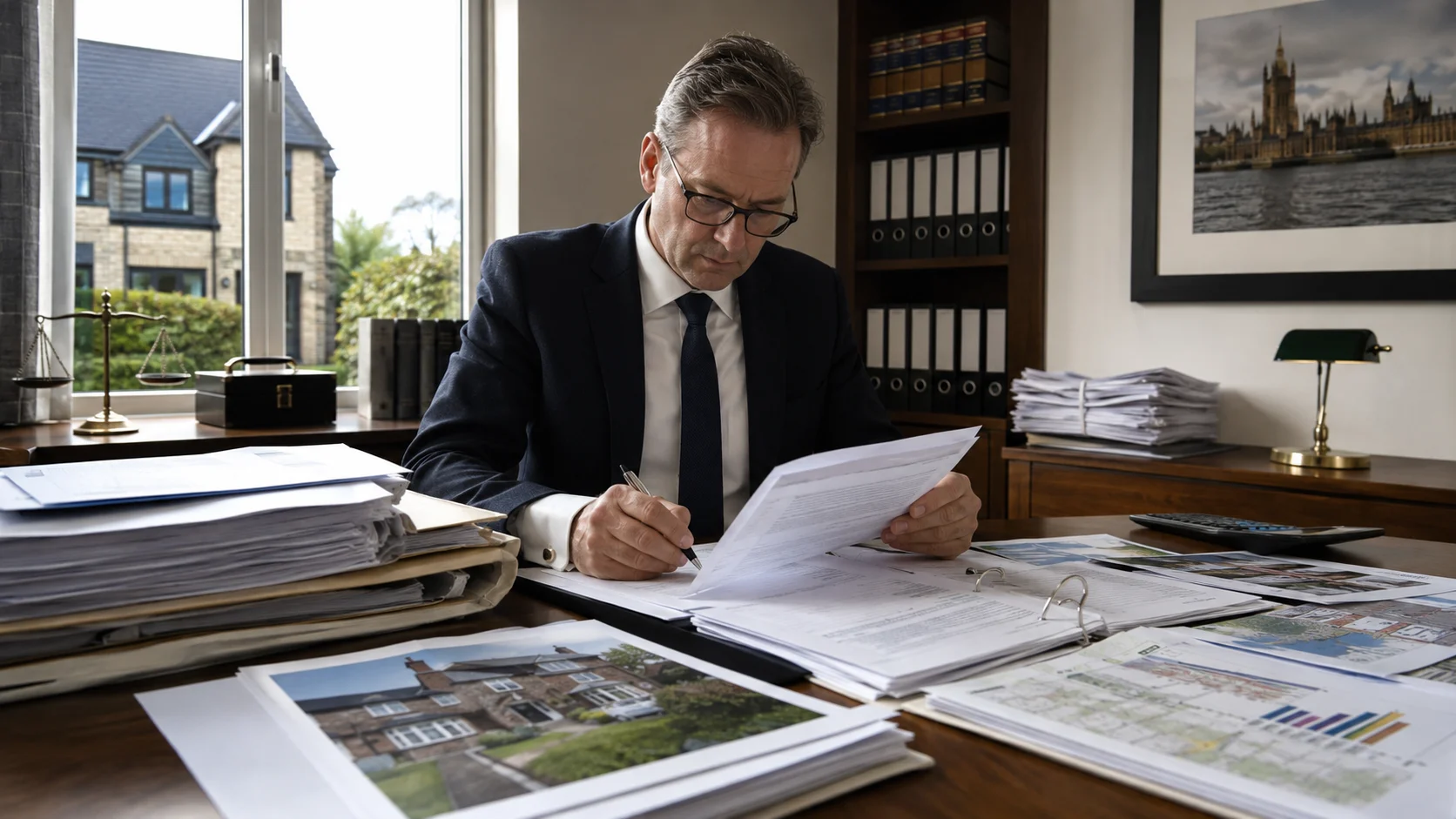
Inheritance tax property valuations are becoming increasingly important in the UK because HMRC is now paying closer attention to probate property figures submitted during estate administration.
Goadsby inheritance tax valuations help executors, beneficiaries, and families obtain professional property assessments that reflect accurate market values at the date of death. This reduces the risk of disputes, additional tax charges, and delays during probate.
Key takeaways include:
- HMRC is increasing checks on probate property valuations
- Incorrect valuations may lead to extra tax and interest charges
- Professional probate valuations provide stronger evidence for HMRC
- Residential and commercial properties both require accurate assessments
- Goadsby offers inheritance tax valuation services through experienced Chartered Surveyors and Registered Valuers
- Executors are being encouraged to avoid informal property estimates
What Are Goadsby Inheritance Tax Valuations and Why Are They Important?

Goadsby inheritance tax valuations are professional property assessments carried out to establish the correct market value of a property for probate and inheritance tax purposes.
These valuations are important because property often represents one of the largest assets within a deceased estate, meaning even a small valuation error can significantly affect inheritance tax calculations.
Professional probate valuations are designed to provide evidence-based figures that HMRC can review during estate administration. Unlike informal property appraisals, inheritance tax valuations require detailed market analysis, local comparable evidence, and valuation expertise.
Goadsby provides both residential and commercial probate valuations through experienced surveyors and valuers familiar with local market conditions across the South of England.
The growing focus from HMRC means executors are under greater pressure to ensure valuation figures are accurate and properly documented.
Reliable inheritance tax valuations can help reduce disputes, protect beneficiaries from unexpected costs, and support a smoother probate process for families managing difficult circumstances.
Why Is HMRC Increasing Scrutiny on Property Valuations in Inheritance Tax Returns?
HMRC has increased its attention on inheritance tax property valuations because residential and commercial property values continue to rise across many parts of the UK.
Since property forms a major percentage of most estates, inaccurate valuations can lead to significant differences in inheritance tax liabilities. This has resulted in closer monitoring of probate submissions and stronger checks on reported market values.
How Has the Valuation Office Agency’s Integration Into HMRC Changed Probate Checks?
The integration of the Valuation Office Agency (VOA) into HMRC has strengthened the government’s ability to review property valuations more efficiently.
The VOA already specialised in property assessments, and its closer connection with HMRC means probate valuations are now being examined with greater detail and consistency.
Executors are increasingly being asked to justify how property figures were calculated. HMRC may compare submitted values against:
- Local property sale evidence
- Historical market data
- Comparable residential transactions
- Commercial market indicators
- Online property databases
This means unsupported estimates are more likely to face questions or formal reviews.
Andrew Collinson, Chartered Surveyor and Registered Valuer at Goadsby, explained the issue clearly when discussing the importance of probate valuations. He said, “Property represents a significant portion of most deceased estates and it is therefore critical to ensure that the property valuations submitted to HMRC are correct.”
He also noted that increased scrutiny is likely to continue because of the VOA’s integration into HMRC.
What Happens If a Property Is Undervalued or Overvalued?
An incorrect probate valuation can create serious financial consequences for executors and beneficiaries. If HMRC believes a property has been undervalued, the estate may face additional inheritance tax charges, interest payments, and further investigation.
Overvaluation can also create problems because beneficiaries may pay more inheritance tax than necessary. In some situations, inflated probate values may also affect future capital gains tax calculations if the property is later sold.
Common consequences of inaccurate valuations include:
- Delays in probate completion
- Additional legal and administrative costs
- HMRC disputes and reassessments
- Financial pressure on beneficiaries
- Increased stress for executors
One local probate adviser described the current climate by saying, “Families are often unaware that inheritance tax valuations can still be challenged years later.” They added, “Many executors assume an estate agent estimate is enough, but HMRC increasingly expects evidence-based professional valuations.”
Why Are Executors Being Urged to Seek Professional Valuation Advice?
Executors carry legal responsibility for submitting accurate inheritance tax information to HMRC. Because of this, professional advice is becoming more important, especially where estates include valuable residential or commercial property.
Professional valuers use market evidence, property condition assessments, and comparable sales data to support their conclusions. This provides stronger protection if HMRC later reviews the estate.
Goadsby’s valuation team offers:
- Residential probate valuations
- Commercial inheritance tax valuations
- Local market comparable analysis
- HMRC-focused reporting
- Professional valuation documentation
Andrew Collinson stated that “Executors with significant property holdings should obtain professional advice to ensure valuation figures submitted to HMRC are correct.” His comments reflect the growing awareness that formal probate valuations are now a critical part of estate administration in the UK.
How Does Goadsby Provide Inheritance Tax Valuation Services?
Goadsby provides inheritance tax valuation services through a combination of local property expertise, market research, and professional valuation standards.
The company supports executors, solicitors, and families by preparing probate valuations for both residential and commercial properties.
Their valuation process focuses on establishing a realistic open market value based on the property’s condition and the market situation at the date of death.
This involves reviewing comparable property sales, analysing local market trends, and considering factors that could affect value.
The firm’s valuation services include:
- Residential probate property valuations
- Commercial inheritance tax assessments
- Comparable evidence analysis
- HMRC-compliant valuation reports
- Support for executors and estate administrators
Goadsby’s network of residential offices allows valuers to understand local housing markets in greater detail, while their commercial agency team provides access to specialist market comparables for business and investment properties.
Andrew Collinson, Chartered Surveyor and Registered Valuer at Goadsby, can provide both commercial and residential probate valuations and can be contacted on 01202 550103.
His experience in probate property assessments reflects the increasing need for qualified professionals who understand both valuation standards and HMRC expectations.
What Is Included in a Professional Probate Property Valuation?
A professional probate valuation is designed to establish the fair market value of a property at the date of death for inheritance tax purposes. The process involves far more than a basic property estimate because HMRC may later review the submitted figures.
What Factors Influence a Property’s Probate Value?
Several factors affect how a probate valuation is calculated. Valuers examine both the physical condition of the property and the wider market environment to determine a realistic value.
Important valuation considerations include:
- Property location and neighbourhood demand
- Size, layout, and overall condition
- Age and structural quality
- Nearby comparable property sales
- Local property market conditions
- Tenure arrangements and legal restrictions
For commercial properties, valuers may also consider rental income, lease terms, and business market activity. Every property is unique, which is why professional assessments rely on detailed market evidence rather than general assumptions.
One property professional familiar with inheritance tax cases explained, “The biggest mistake families make is assuming probate valuations are only rough estimates.” They added, “HMRC expects figures to reflect genuine market value supported by evidence and local comparables.”
How Is the Date of Death Valuation Calculated?
A date of death valuation reflects what the property could reasonably have sold for on the open market at the time the owner passed away. This means valuers often need to review historical property market data rather than current sale prices.
Professional surveyors assess comparable sales from the same period and examine local market trends that existed at the valuation date.
This retrospective approach is particularly important during periods of changing house prices because values may differ significantly over time.
The process usually includes:
- Reviewing comparable historical sales
- Assessing market conditions at the relevant date
- Evaluating the property condition at that time
- Considering local economic influences
- Applying professional valuation judgement
This method helps create a defensible figure if HMRC later requests supporting evidence.
What Documents May Be Required During the Valuation Process?
To prepare an accurate inheritance tax valuation, valuers may request several supporting documents relating to the property and estate. These documents help confirm ownership details, property characteristics, and legal considerations.
Commonly requested information includes:
- Land Registry records
- Property floor plans or surveys
- Lease agreements for leasehold property
- Commercial tenancy agreements
- Planning permissions or extension details
- Previous property sale information
Providing accurate documentation can help reduce delays and improve valuation accuracy. Executors who organise paperwork early in the probate process often experience smoother estate administration.
Professional probate valuations are not simply administrative requirements. They provide a structured and evidence-based assessment that may help families avoid future disputes with HMRC while ensuring inheritance tax calculations remain fair and compliant.
Why Should Executors Avoid Using Informal Property Estimates?

Informal property estimates may appear convenient, but they often lack the detailed evidence required for inheritance tax purposes.
Estate agent appraisals are usually prepared for marketing guidance rather than HMRC review, meaning they may not fully reflect probate valuation standards.
Executors who rely solely on informal estimates could face difficulties if HMRC questions the submitted figures. Without supporting comparable evidence or professional valuation documentation, it may become harder to defend the estate’s position during an investigation.
Professional inheritance tax valuations provide greater credibility because they are based on structured market analysis and valuation methodology. They also help establish transparency for beneficiaries who may want reassurance that the estate has been assessed fairly.
Using formal probate valuations can also reduce risks linked to future property sales, capital gains tax calculations, and disputes between family members.
As HMRC continues to increase scrutiny of inheritance tax submissions, professionally prepared valuations are becoming a safer and more reliable option for executors managing estates with significant property assets.
How Can Accurate Inheritance Tax Valuations Help Protect Beneficiaries?
Accurate inheritance tax valuations help protect beneficiaries by reducing financial uncertainty and limiting the risk of future disputes.
When probate property values are professionally assessed, families gain a clearer understanding of the estate’s true market position and tax obligations.
Reliable valuations can help beneficiaries avoid:
- Unexpected inheritance tax reassessments
- Additional HMRC interest charges
- Delays in estate distribution
- Disagreements between family members
- Incorrect capital gains tax calculations after future sales
Professional valuations also provide stronger financial records if beneficiaries later decide to sell inherited property. Since capital gains tax calculations may rely partly on probate values, accuracy becomes important long after probate is completed.
For executors, detailed valuation reports demonstrate that reasonable steps were taken to comply with inheritance tax requirements. This can provide reassurance if HMRC later reviews the estate.
In changing property markets, accurate probate valuations are especially valuable because market conditions may fluctuate significantly between the date of death and the eventual property sale.
Properly documented valuations help beneficiaries understand the difference between historical probate value and later sale value, reducing confusion and supporting smoother financial planning during estate administration.
What Should Families and Executors Look for in an Inheritance Tax Valuation Specialist?

Families and executors should look for inheritance tax valuation specialists with professional qualifications, local property knowledge, and experience dealing with probate matters.
Choosing a qualified Chartered Surveyor or Registered Valuer can improve the reliability of the valuation and reduce the likelihood of HMRC disputes.
A strong probate valuation specialist should understand both residential and commercial property markets while providing evidence-based reports that reflect HMRC expectations.
Experience with retrospective date of death valuations is also important because probate assessments often require historical market analysis.
Executors should consider:
- Professional valuation credentials
- Experience with inheritance tax cases
- Knowledge of local property markets
- Clear valuation methodology
- Ability to provide supporting comparable evidence
Communication is equally important during probate administration. Families often benefit from valuers who explain the process clearly and provide practical guidance during what can already be a stressful period following bereavement.
Are Inheritance Tax Property Valuations Likely to Become More Important in the Future?
Inheritance tax property valuations are likely to become increasingly important as HMRC continues improving its review processes and property values remain high across many areas of the UK.
Probate compliance is now receiving greater attention, especially where estates contain valuable residential or commercial assets.
Several factors are contributing to this trend:
- Rising UK property prices
- Increased inheritance tax exposure
- Better HMRC access to property data
- Stronger valuation review systems
- Greater focus on tax compliance
Digital property databases and enhanced market tracking tools also allow HMRC to compare probate figures more efficiently than in previous years. This means unsupported or unrealistic valuations may become easier to identify.
Professional probate valuations are therefore becoming less of an optional precaution and more of a standard part of responsible estate administration.
Families and executors increasingly recognise the importance of obtaining accurate market assessments early in the probate process.
As awareness grows, qualified valuation professionals such as Chartered Surveyors and Registered Valuers are expected to play a larger role in helping estates meet HMRC requirements while reducing financial and legal risks for beneficiaries.
Conclusion
Goadsby inheritance tax valuations are becoming more important as HMRC increases scrutiny of probate property values across the UK. Accurate valuations help executors avoid disputes, additional tax charges, and delays during probate administration.
Professional assessments supported by market evidence and comparable property data provide stronger compliance with HMRC requirements.
Experienced valuers, including Chartered Surveyors and Registered Valuers like Andrew Collinson at Goadsby, help families manage probate responsibilities with greater clarity and financial confidence.
FAQ
How long does a probate property valuation usually take in the UK?
Most probate valuations are completed within several days to a few weeks depending on property complexity, documentation availability, and local market conditions.
Does HMRC always investigate inheritance tax property valuations?
No, but HMRC may review valuations that appear inconsistent with local market evidence or property transaction data.
Can commercial properties require probate valuations?
Yes. Commercial buildings, mixed-use premises, and investment properties may all require professional inheritance tax valuations.
Why is the date of death important during probate valuations?
Inheritance tax calculations are based on the property’s market value at the date of death rather than its current market value.
Can inaccurate probate valuations delay estate distribution?
Yes. HMRC reviews or valuation disputes can delay probate completion and postpone payments to beneficiaries.
Are estate agent appraisals suitable for inheritance tax purposes?
Estate agent estimates may not provide the detailed evidence or reporting standards expected during HMRC inheritance tax reviews.
What qualifications should a probate valuation professional have?
Many families look for Chartered Surveyors or Registered Valuers with experience in probate and inheritance tax property assessments.