

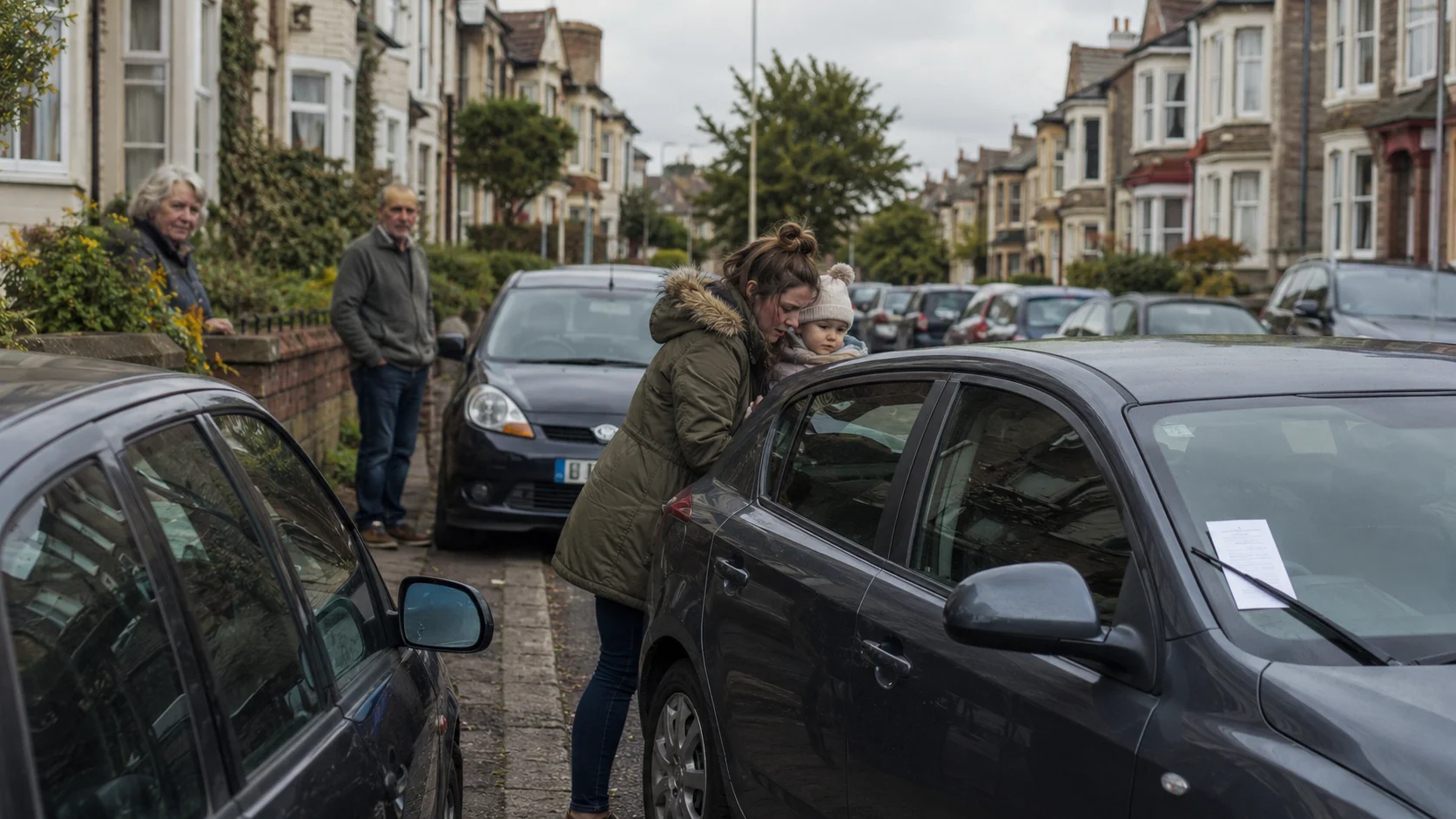
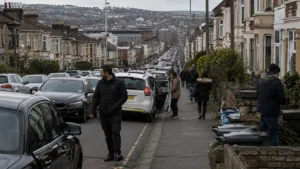
The Bristol mum parking dispute has attracted national attention because it highlights growing tensions around parking shortages, driveway access, and neighbour disagreements in UK residential areas.
The row centres on a Bristol mother who continued parking partly across a neighbour’s driveway, arguing the property did not have a legally required dropped kerb. Meanwhile, the neighbour repeatedly left notes asking drivers not to park there.
Key takeaways:
- Questions over dropped kerb legality
- Concerns about pavement parking
- Limited residential parking spaces
- Divided social media reactions
- Wider debate over UK parking rules
The case has become a major talking point about parking rights, local council regulations, and maintaining neighbour relationships in crowded urban communities.
Why Has the Bristol Parking Row Sparked So Much Attention Online?
The Bristol parking dispute gained attention because many UK residents relate to the frustrations of limited street parking and neighbour disagreements. Videos showing handwritten notes left on cars quickly spread online, sparking debate over whether the parking was legal or inconsiderate.
Public interest increased after Astrid Cooper shared her side of the story, explaining that parking restrictions already made life difficult while caring for young children. Others argued that parking partly on the pavement and near a driveway created unnecessary problems.
Astrid said, “It’s just disappointing more than anything because we do have a lovely, tight-knit community.” Her comments resonated with many viewers facing similar parking tensions in UK cities.
What Started the Neighbour Disagreement Over Parking in Bristol?
The dispute reportedly began after a neighbour converted a front garden into a driveway. Problems escalated as residents competed for limited roadside parking spaces, eventually leading to complaints, warning notes, and heated discussions.
How Did the Driveway Conversion Become a Source of Conflict?
Astrid Cooper claimed the neighbour created the driveway around a year earlier but did not install an official dropped kerb. Under Bristol City Council guidance, a dropped kerb is normally required before vehicles can legally cross the pavement onto private property.
Residents reportedly felt frustrated because the space had previously been used for roadside parking.
Key issues included:
- Reduced parking availability
- Questions about driveway legality
- Ongoing neighbour complaints
Astrid explained, “She’s been doing this ever since she turned her front garden into a driveway. Anyone that parks in that space gets a note on their car.”
Why Were Notes Being Left on Cars?
The situation intensified after drivers found handwritten notes attached to vehicles. Messages reportedly included “stop parking here” and “can you park your car down slightly and not across my drive”.
Some residents believed the notes were excessive, while others felt driveway access should be respected. Astrid also described confrontations with the neighbour during stressful moments involving her children.
She recalled saying, “I’m a bit stressed, this is not the time,” while getting her children into the car. She later added that another disagreement “got a bit heated”.
What Does the Bristol Mum Claim About the Situation?
Astrid maintained that she was not fully blocking access and argued the complaints had become unreasonable. She believed the neighbour could still use the driveway despite the parking position.
Her main arguments included:
- The driveway lacked a dropped kerb
- Access remained possible
- Parking spaces were limited
- The dispute harmed community relations
Astrid said, “We’re both not perfect, it’s not necessary to put post-it notes on cars when she can still get on and off the driveway.” She also added, “I have every right to park here, I’m just trying to deal with my kids at the moment.”
Is It Illegal to Park Across a Driveway Without a Dropped Kerb?
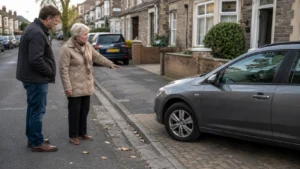
Parking across a driveway without a dropped kerb is not always automatically illegal in the UK, although pavement parking and obstruction rules may still apply. A dropped kerb officially allows vehicles to cross from the road onto private property.
Without one, councils may not recognise the driveway as authorised vehicle access. This became a central issue in the Bristol dispute.
Important considerations include:
- Whether the driveway has an approved dropped kerb
- Local pavement parking rules
- Possible obstruction to pedestrians
- Safety concerns on residential streets
The disagreement highlighted how unclear parking regulations can easily create conflict between neighbours.
What Are the Rules for Dropped Kerbs and Vehicle Crossovers in the UK?
Dropped kerbs and vehicle crossovers are regulated by local councils to protect pavements and ensure safe vehicle access to private properties.
Why Is a Dropped Kerb Required for Driveway Access?
A dropped kerb helps prevent pavement damage and improves safety for pedestrians, wheelchair users, and pushchairs. Councils usually require homeowners to apply for permission before creating a driveway.
Common reasons for requiring dropped kerbs include:
- Pedestrian safety
- Preventing pavement damage
- Regulating access points
- Maintaining road visibility
Bristol City Council guidance states residents should not drive across pavements without proper approval.
What Can Happen If a Property Owner Does Not Install One?
Without a dropped kerb, councils may investigate complaints or require homeowners to regularise the access arrangement. It can also create confusion over parking rights.
Possible consequences include:
- Neighbour complaints
- Parking disputes
- Council warnings
- Delays in legal approval
Astrid argued the neighbour “hasn’t dropped the kerb” and therefore “isn’t abiding by the rules”.
How Do Local Councils Handle These Complaints?
Councils generally assess driveway and parking complaints individually. Investigations may involve checking planning permissions, safety concerns, and local parking regulations.
Councils may:
- Inspect the property access
- Review parking complaints
- Check crossover permissions
- Issue guidance or enforcement notices
Astrid claimed she contacted Bristol City Council in October 2025 about the issue but allegedly received no response.
Why Are Residential Parking Problems Becoming More Common in UK Cities?
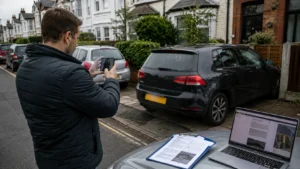
Parking disputes are increasing across UK cities because many residential areas were not designed for modern vehicle ownership levels. Narrow roads and limited parking spaces often create tension between neighbours.
Several factors are contributing to the problem:
- More cars per household
- Limited parking infrastructure
- Front garden driveway conversions
- Stricter parking enforcement
- Growing frustration over pavement parking
The Bristol dispute reflected wider national concerns about balancing parking access, pedestrian safety, and community relationships.
How Did Social Media Users React to the Bristol Mum Parking Dispute?
Social media users were divided over the Bristol dispute. Some supported Astrid’s argument that the driveway lacked a legal dropped kerb, while others criticised the pavement parking.
Supporters sympathised with the difficulties parents face finding nearby parking. Critics argued drivers should avoid causing any obstruction near driveways.
One viewer commented, “You are NOT wrong. You are legally parked.” Another responded, “It’s illegal to park on the footway.”
The debate highlighted wider frustrations surrounding parking shortages and neighbour disputes throughout the UK.
What Rights Do UK Drivers Have When Challenging Parking Complaints?
UK drivers can challenge parking complaints if they believe they are parked legally. However, rules vary depending on local council regulations, dropped kerbs, and pavement parking restrictions.
Drivers involved in disputes should:
- Check local parking rules
- Photograph vehicle positioning
- Confirm dropped kerb approvals
- Contact council enforcement teams
- Keep records of complaints
The Bristol case demonstrated how unclear regulations can create confusion for both residents and motorists.
Could Better Communication Prevent Neighbour Parking Disputes?
Many neighbour parking disputes could potentially be avoided through calmer communication and practical compromises. In crowded residential areas, frustration can quickly escalate when residents feel ignored.
The Bristol disagreement showed how repeated notes and confrontations increased tensions instead of resolving the issue.
Better communication may help:
- Reduce misunderstandings
- Encourage parking compromises
- Avoid unnecessary conflict
- Protect community relationships
Astrid repeatedly described the area as a “lovely, tight-knit community”, showing disappointment that the disagreement had escalated publicly.
What Can UK Motorists Learn From This Bristol Parking Controversy?
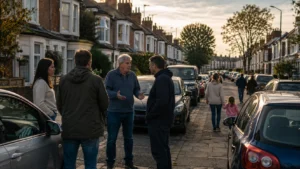
The Bristol mum parking dispute highlights the importance of understanding local parking regulations and respecting neighbours in crowded residential areas.
Key lessons for motorists include:
- Check dropped kerb legality
- Avoid possible obstructions
- Understand pavement parking rules
- Keep evidence during disputes
- Communicate respectfully with neighbours
The case also showed how quickly local disagreements can spread online and divide public opinion. As parking pressures continue increasing across UK cities, balancing legal rights with neighbourly consideration will remain essential.
Conclusion
The Bristol mum parking dispute became widely discussed because it combined legal uncertainty, parking shortages, and neighbour tensions that many UK residents recognise. Questions over dropped kerbs, pavement parking, and driveway access created divided opinions both locally and online.
While some defended Astrid’s actions due to limited parking and the missing dropped kerb, others believed parking near the driveway was inconsiderate regardless of legality. The controversy also reflected wider parking frustrations affecting communities across Britain.
As councils continue reviewing parking enforcement and urban parking pressures grow, understanding local regulations and maintaining respectful communication with neighbours will become increasingly important for UK motorists.
FAQs
Can someone legally park across a driveway without a dropped kerb in the UK?
In some situations, yes. If a driveway does not have an officially approved dropped kerb, local councils may not recognise it as authorised vehicle access. However, other parking rules involving obstruction, pavement parking, or safety may still apply depending on the area.
Why is a dropped kerb important for residential driveways?
A dropped kerb allows vehicles to legally cross the pavement between the road and private property. It also helps protect pavements from damage and improves accessibility for pedestrians, wheelchair users, and pushchairs.
Can neighbours report parking disputes to the council?
Yes. Residents can contact their local council if they believe parking is causing obstruction, safety concerns, or breaches of local regulations. Councils may investigate depending on the severity of the complaint and local parking policies.
Is pavement parking illegal everywhere in England?
No. Pavement parking rules vary across different parts of the UK. London already has stricter pavement parking restrictions, while other councils enforce rules depending on local regulations and safety concerns.
What should drivers do if they receive complaints about parking?
Drivers should remain calm, check local parking rules, and avoid escalating the situation. Taking photographs of the vehicle position and communicating respectfully with neighbours can also help resolve disagreements.
Can homeowners create a driveway without council approval?
In most cases, homeowners must apply for permission before installing a dropped kerb or vehicle crossover. Driving across a pavement without approval may breach local council regulations.
How can neighbour parking disputes be resolved peacefully?
Many disputes can be reduced through respectful communication and practical compromises. Discussing concerns directly, understanding parking regulations, and avoiding confrontational behaviour can help maintain positive community relationships.