

LVIC on a bank statement usually means a payment to Liverpool Victoria Insurance Company, commonly known in the UK as LV=.
It normally appears when a Direct Debit or scheduled payment has been taken for an LV= insurance policy or budget account. This may relate to car, multi-car, home, life, income protection, travel, or pet insurance.
If the payment is not recognised, the account holder should check policy documents, household arrangements, and Direct Debit records before contacting LV= or the bank.
Key takeaways:
- LVIC usually refers to Liverpool Victoria Insurance Company, known as LV=.
- It commonly appears for insurance Direct Debit payments.
- It may cover car, home, life, travel, pet, or income protection insurance.
- Unrecognised LVIC payments should be checked with LV= directly.
Why Has LVIC Appeared on a Bank Statement?
LVIC has usually appeared on a bank statement because a payment has been made to Liverpool Victoria Insurance Company, trading as LV=. For many UK customers, this will be linked to an insurance Direct Debit.
Insurance companies often use shortened payment references or internal company names on bank statements.
That means the name appearing on the bank statement may not look exactly like the brand name a customer recognises. Someone may know the company as LV=, but the bank entry may show LVIC.
An LVIC on bank statement entry may appear when:
- A monthly insurance premium has been collected
- A renewal payment has been taken
- A budget payment plan is active
- A policy was recently purchased or amended
- A household member set up the policy using the same bank account
This is why the first step should be to check whether anyone in the household holds an LV= policy. A person may have car insurance with LV= and forget that the monthly payment appears under LVIC rather than LV=.
Which Company Is Linked to the LVIC Payment Reference?
LVIC is linked to Liverpool Victoria Insurance Company, which is commonly known as LV=. LV= is a well-known UK insurance brand that provides different types of personal insurance products.
Liverpool Victoria Insurance Company and LV=
Liverpool Victoria has operated in the UK insurance market for many years, and many customers recognise the brand through the LV= name. When a payment is processed, the bank statement may show a shortened or formal reference instead of the public-facing brand.
This means LVIC on bank statement can appear even when the customer expected to see “LV=” or “LV Insurance”. The difference is usually down to how the payment is recorded by the bank, the insurer, or the Direct Debit system.
A financial support adviser described this issue clearly:
“I often see customers worry when a bank reference does not match the brand name they remember. In many cases, the payment is legitimate, but the wording on the statement is just less familiar than the company’s trading name.”
How Insurance Providers Appear on Bank Statements
Bank statement references are not always written in plain language. A company may appear under:
- A shortened trading name
- A legal company name
- A payment processing name
- A Direct Debit reference
- A policy or budget account code
This can make normal transactions look suspicious at first glance. With LVIC, the important thing is to compare the amount and date with any LV= policy documents, renewal notices, or emails.
What Insurance Policies Can an LVIC Transaction Relate To?
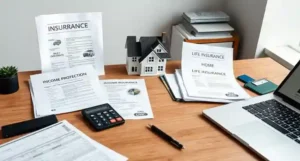
An LVIC transaction can relate to several types of LV= insurance policies. The most common examples include car insurance, multi-car insurance, home insurance, life insurance, income protection, travel insurance, and pet insurance.
| Possible LV= Product | Why LVIC May Show |
| Car insurance | Monthly premium or renewal payment |
| Multi-car insurance | Payment for one or more insured vehicles |
| Home insurance | Buildings, contents, or combined policy payment |
| Life insurance | Regular protection policy premium |
| Income protection | Monthly cover payment |
| Travel insurance | Single-trip or annual policy payment |
| Pet insurance | Monthly premium for pet cover |
| Budget account | Instalment payment plan for insurance costs |
For example, a customer may buy an annual car insurance policy but choose to pay monthly. In that case, LVIC may appear every month on the bank statement as part of the agreed payment plan.
It can also appear when a policy renews automatically. If a customer has allowed auto-renewal, the payment may be collected unless the policy is cancelled before the renewal date.
How Can Someone Confirm Whether the LVIC Charge Is Genuine?
The best way to confirm whether an LVIC charge is genuine is to compare the bank transaction with insurance documents, emails, renewal letters, and Direct Debit records. Most genuine LVIC payments should match a known policy or agreed payment plan.
Match the Amount With Policy Documents
The payment amount is one of the clearest clues. A person should check whether the LVIC amount matches:
- A monthly insurance premium
- A policy renewal amount
- A deposit or first instalment
- A changed premium after policy adjustment
- A payment plan shown in LV= documents
If the amount matches an LV= policy, the transaction is likely to be genuine. If the amount is higher or lower than expected, the policy may have changed, a renewal may have started, or extra cover may have been added.
Check Direct Debit Dates and Account Holders
The date of the payment is also important. Insurance Direct Debits are usually taken on agreed dates. If LVIC appears around the same time each month, it may be part of a regular Direct Debit.
A person should also check whether the bank account is used by a partner, parent, adult child, or another household member. Sometimes an unfamiliar payment is not fraud but a shared financial arrangement that was forgotten.
An insurance administrator explained it this way:
“When I help customers trace a payment, I first look at the amount, date, and policy holder name. I would not tell someone to ignore an unknown charge, but I would always check the documents before raising a fraud concern.”
Practical Check Before Taking Action
Before contacting the bank, it helps to gather the payment date, amount, bank reference, policy number if available, and the name of the person who may hold the insurance policy.
What Should Someone Do If They Do Not Recognise the LVIC Payment?

If someone does not recognise LVIC on bank statement, they should avoid panic but act carefully. The first step is to check personal records and any LV= communication. This includes emails, letters, online accounts, renewal documents, and previous Direct Debit confirmations.
If nothing matches, the person should contact LV= directly using official contact details. They should not rely on phone numbers or links from suspicious messages. Using the official LV= website or customer portal is safer.
If LV= confirms that the payment is not linked to any known policy, the person should contact their bank.
The bank can advise whether the payment was made by Direct Debit, debit card, or another method. It can also explain whether a payment dispute, Direct Debit claim, or fraud report is appropriate.
The safest order is:
- Check household and policy records
- Contact LV= through official channels
- Ask the bank to identify the payment method
- Cancel or dispute the payment only when the facts are clear
Could LVIC Be Connected to a Cancelled or Changed Insurance Policy?
Yes, LVIC can sometimes be connected to a cancelled or changed insurance policy. This does not always mean something has gone wrong. Insurance billing can involve final payments, refunds, adjustment fees, or cancellation charges.
For example, if a policy was cancelled after the cooling-off period, there may still be an outstanding balance. If a person changed vehicle, moved house, added cover, or adjusted policy details, the payment amount may also change.
In some cases, a payment may be taken shortly after cancellation because the Direct Debit request was already in progress. The customer may then receive a refund or adjustment later, depending on the policy terms.
This is why it is important to check cancellation emails and policy documents before assuming the LVIC transaction is incorrect.
Can an LVIC Direct Debit Be Stopped or Refunded?
An LVIC Direct Debit can usually be cancelled through the bank, but cancelling the payment does not automatically cancel the insurance policy. This is an important point. If someone cancels a Direct Debit without speaking to LV=, the policy may fall into arrears or be cancelled for non-payment.
A refund may be possible if the payment was taken in error, duplicated, or collected after a valid cancellation. The customer should contact LV= first to understand the reason for the payment.
If the payment was unauthorised or taken incorrectly under the Direct Debit scheme, the bank may also provide support through the Direct Debit Guarantee. However, this should be used responsibly and only when the person genuinely believes the payment was wrong.
How Can LV= Be Contacted About an LVIC Bank Statement Entry?
LV= can be contacted through its official customer service routes. A person should use the LV= Insurance Contact Us portal or log in to their account to manage existing policies.
When contacting LV= about LVIC on bank statement, it is helpful to provide:
- The transaction amount
- The payment date
- The bank statement reference
- The policy number, if known
- The name and postcode of the policy holder
- The type of insurance that may be involved
This helps the customer service team trace the payment faster. If the person does not have a policy number, LV= may still be able to search using personal details, provided the person passes security checks.
Conclusion
LVIC on bank statement is usually linked to Liverpool Victoria Insurance Company, known as LV=. In most cases, it appears because an insurance payment has been collected for a policy or budget account.
While the transaction is often genuine, it should still be checked if it is unfamiliar. Reviewing policy documents, payment dates, and household arrangements can help confirm the reason. If there is still doubt, contacting LV= first and the bank afterwards is the safest next step.
FAQs About LVIC on Bank Statement
Is LVIC the same as LV= Insurance?
LVIC is commonly linked to Liverpool Victoria Insurance Company, which is known to many UK customers as LV=. A bank statement may show LVIC rather than the public brand name LV= because banks often display shortened or formal payment references.
Why might LVIC show after buying car insurance?
LVIC may show after buying car insurance if the policy was purchased from LV= and the customer chose monthly payments or paid by Direct Debit. It may also appear after renewal if the policy continues automatically.
Can LVIC appear for home, pet, travel, or life insurance?
Yes, LVIC can appear for different types of LV= insurance policies, including home insurance, pet insurance, travel insurance, life insurance, and income protection. The payment reference depends on how the insurer processes the transaction.
What if the LVIC payment amount is different from expected?
If the LVIC amount is different from expected, the person should check policy changes, renewal prices, cancellation terms, and any added cover. If the amount still does not make sense, LV= should be contacted for clarification.
Can someone cancel LVIC through their bank?
A person may be able to cancel an LVIC Direct Debit through their bank, but this does not automatically cancel the insurance policy. It is safer to speak to LV= first to avoid missed payments, arrears, or policy cancellation.
Is an LVIC payment always a sign of fraud?
No, an LVIC payment is not always a sign of fraud. In many cases, it is a legitimate insurance payment. However, if no one in the household recognises the payment and LV= cannot confirm it, the bank should be contacted.
Who should be contacted first about an unfamiliar LVIC charge?
The person should first check policy documents and household records. If the payment is still unclear, LV= should be contacted through official channels. If the transaction remains unexplained, the bank should be asked to investigate.
Related Articles: