

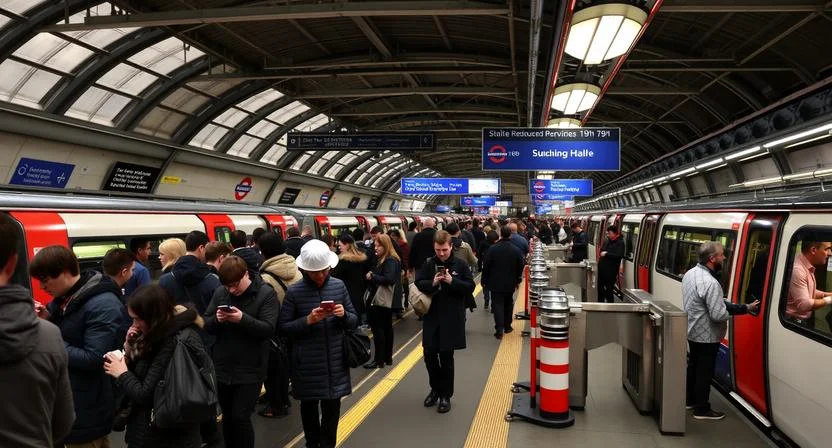
London commuters are preparing for another week of disruption as the Tube strike on 19th May is expected to affect services across the London Underground network.
The industrial action, organised by some members of the RMT union, will begin at midday on Tuesday 19 May and continue until midday on Wednesday 20 May, with a second strike planned later in the same week.
While most Tube lines are expected to run reduced services, passengers should prepare for delays, crowded stations and timetable changes across London.
Key points passengers should know:
- Tube strikes begin at 12:00 midday on 19 May
- Most London Underground lines will face disruption
- Elizabeth line, buses, DLR and Overground are expected to run
- Services may remain disrupted into the evening after strikes end
- TfL is advising commuters to plan ahead and check live updates
The latest Tube strike update has already prompted many Londoners to reconsider travel plans for work, education and events across the capital.
What Is the London Tube Strike on 19th May About?
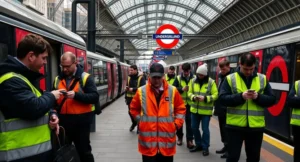
The latest London Tube strike forms part of an ongoing dispute between Transport for London (TfL) and the Rail, Maritime and Transport union (RMT).
The disagreement centres around proposed changes to Tube driver working arrangements, including the introduction of a voluntary four-day working week trial on parts of the network.
The strike action is expected to impact travel across four working days due to service recovery periods before and after each walkout.
Similar disruption during previous strikes in April led to packed stations, lengthy queues and increased demand for buses, taxis and cycling services.
RMT Dispute Over the Four-Day Working Week
The RMT argues that the proposed changes could increase fatigue among Tube drivers by extending shift lengths, even though the total working hours would slightly reduce from 36 to 35 hours per week.
According to union representatives, the proposal raises concerns around:
- Passenger safety
- Driver wellbeing
- Work-life balance
- Longer operational shifts
- Staffing pressure during peak hours
The union has instead pushed for a 32-hour working week spread across four days without salary reductions. Despite months of negotiations, both sides remain divided.
TfL’s Response to the Planned Industrial Action
TfL has described the strikes as “completely unnecessary”, stating that the four-day working arrangement remains voluntary and is currently only being trialled on selected lines.
“The proposed changes are optional and designed to modernise working patterns while maintaining operational flexibility across the Underground network,” said a TfL operations spokesperson.
Although Aslef members are not participating in the industrial action, the strikes are still expected to create widespread disruption due to the number of affected drivers involved.
The dispute continues to create uncertainty for passengers travelling across London this month.
When Will the Tube Strike Start and End in May 2026?
The Tube strike tomorrow and later this week will operate in two separate 24-hour phases during May 2026. However, the wider disruption is likely to continue well beyond the official strike hours.
Tube strike dates and timings:
| Strike Dates | Official Strike Time | Expected Disruption Period |
| 19–20 May 2026 | Midday Tuesday to Midday Wednesday | Tuesday afternoon to Wednesday evening |
| 21–22 May 2026 | Midday Thursday to Midday Friday | Thursday afternoon to Friday evening |
| 16–17 June 2026 | Midday Tuesday to Midday Wednesday | Possible future disruption |
| 18–19 June 2026 | Midday Thursday to Midday Friday | Possible future disruption |
TfL has confirmed that services are expected to run normally during the early morning periods before gradually reducing ahead of the strike start times.
On strike days:
- Morning services may operate normally until mid-morning
- Reduced services begin before midday
- Major disruption follows during afternoon and evening travel
- Recovery services continue into the following evening
Passengers travelling during peak commuting periods should expect delays throughout central London and the surrounding boroughs. Even after strikes officially end, train positioning and staffing issues may continue affecting operations.
Which Tube Lines Are Affected During the 19th May Strike?
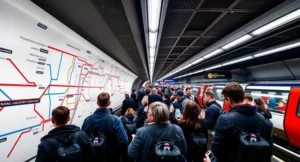
The Tube strike 19th May is expected to affect the entire London Underground network, although disruption levels will vary between lines.
TfL has stated that most Tube lines will continue operating a limited or reduced service where possible. However, some routes could experience severe disruption or temporary closures depending on driver availability.
Lines expected to face the biggest disruption:
| Tube Line | Expected Service Level | Possible Issues |
| Piccadilly Line | Severe disruption | Reduced trains and delays |
| Central Line | Partial closures possible | Crowded stations |
| Circle Line | Major disruption | Service suspensions |
| Metropolitan Line | Reduced service | Delays between major stations |
| Northern Line | Limited operation | Longer waiting times |
| Jubilee Line | Reduced timetable | Peak-hour overcrowding |
During earlier strike action, sections of the Piccadilly and Circle lines closed entirely, while the Central line experienced suspensions between White City and Liverpool Street. Similar disruption could occur again, depending on staffing availability.
Services Expected to Face the Biggest Disruption
Central London routes are likely to see the greatest pressure due to commuter demand and interchange traffic. Busy stations such as King’s Cross, Victoria, Liverpool Street and Waterloo may experience crowd control measures during peak periods.
Station Closures and Reduced Timetables
TfL may temporarily close stations if overcrowding becomes a safety concern. Reduced train frequencies could also lead to longer platform waiting times throughout the day.
“Passengers should expect service levels to vary significantly throughout the strike period and allow extra time for journeys,” said a London Underground service manager.
Despite disruptions, TfL aims to maintain a basic operational service across as many lines as possible.
Will the Elizabeth Line and Other TfL Services Run Normally?
Unlike the Underground network, the Elizabeth line, DLR, London Overground, buses and trams are currently expected to run normally during the Tube strikes May 2026 period.
However, “normal” service does not necessarily mean normal travel conditions. Alternative transport routes are expected to become significantly busier as commuters avoid the Underground.
Alternative TfL services expected to operate:
| Service | Expected Status | Passenger Demand |
| Elizabeth line | Running normally | Very busy |
| DLR | Running normally | Increased usage |
| London Overground | Running normally | Heavy peak demand |
| London buses | Running normally | Delays likely |
| London trams | Running normally | Moderate disruption |
During previous strikes, cycling platforms and e-bike services experienced a major increase in usage. Lime reported a 22% increase in trips during April strike action, while Forest recorded a significant rise in evening rides.
Passengers using the Elizabeth line should still expect crowded platforms and delays due to the increased number of travellers switching routes.
Although these services offer alternatives to the Underground, travel times may still increase considerably during rush hour periods. TfL is therefore encouraging passengers to travel outside peak times whenever possible.
How Will the Tube Strike Affect London Commuters This Week?
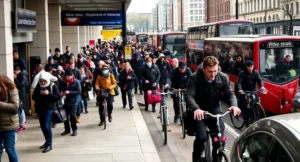
The Tube strikes this week are expected to disrupt daily routines for workers, students, tourists and businesses across the capital. Morning and evening rush hours will likely be the most difficult periods for passengers travelling into central London.
Commuters using major interchange stations may face longer walking routes, station closures or queue management systems designed to control crowding.
Peak-Hour Travel Disruption Across Central London
Areas likely to experience the heaviest congestion include:
- Oxford Circus
- London Bridge
- King’s Cross St Pancras
- Victoria
- Waterloo
- Liverpool Street
- Canary Wharf
Taxi services and ride-hailing platforms are also expected to see increased demand and higher fares during strike periods.
Increased Demand on Buses, DLR and Overground
With Underground capacity reduced, many commuters are expected to switch to:
- National Rail services
- Local buses
- Santander Cycles
- E-bike services
- Walking routes
- River transport services
“Whenever Tube strikes take place, we typically see a sharp increase in alternative transport usage across London,” said a transport analyst monitoring commuter trends.
Businesses may also encourage flexible working or remote arrangements during the disruption period.
Despite the challenges, TfL expects the transport network to remain operational across much of the capital.
What Travel Advice Has TfL Issued for Passengers?
TfL has advised passengers to plan journeys carefully before travelling during the Tube strike update period.
The transport authority recommends checking live updates regularly and considering alternative routes to avoid severe delays.
TfL travel advice for passengers:
| Recommendation | Purpose |
| Plan ahead | Reduce unexpected delays |
| Check before travelling | Monitor service changes |
| Use alternative routes | Avoid crowded stations |
| Travel outside peak hours | Reduce congestion |
| Use TfL Go app | Access real-time updates |
Passengers are also encouraged to use TfL digital tools, including Journey Planner, live service updates and Nearby travel maps.
The TfL Go app remains one of the most useful resources for tracking disruptions across the network in real time. Email alerts and live bus updates can also help commuters avoid the worst affected areas.
While some disruptions are unavoidable, preparation can significantly reduce journey stress during strike days.
Why Are Tube Drivers Striking Again in May 2026?
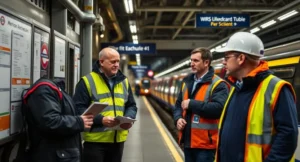
The ongoing dispute between Tube drivers and TfL primarily relates to changes in working patterns and concerns about operational safety.
Safety and Fatigue Concerns Raised by the RMT
The RMT believes that compressed working schedules could increase driver fatigue and negatively impact passenger safety. According to union representatives, longer shifts may place additional strain on staff operating across busy Underground routes.
The union argues that although the proposed changes reduce total weekly hours slightly, they could still result in more demanding daily workloads.
Proposed Changes to Driver Working Patterns
TfL’s proposal would allow some drivers to work fewer days each week while maintaining existing contractual obligations. Officials argue that the system could modernise staffing arrangements and improve scheduling flexibility.
However, the disagreement has continued for several months without a final resolution.
The industrial action planned for May and June demonstrates that negotiations remain ongoing between both sides.
What Are the Best Alternative Travel Options During Tube Strikes?
Passengers travelling during Tube strikes today and throughout the week may need to rely on a combination of transport options to complete journeys efficiently.
Alternative travel options include:
- Elizabeth line services
- London buses
- National Rail routes
- London Overground
- DLR services
- Santander Cycles
- Walking routes
- Taxi and ride-hailing services
Cycling has become increasingly popular during Tube strike periods, particularly for short-distance travel across central London. Many commuters are also combining rail and bus services to avoid Underground bottlenecks.
Those travelling to airports such as Heathrow should allow additional time, especially if relying on routes normally connected by Tube services.
Travellers attending events, business meetings or university classes should monitor live service updates throughout the day as disruption levels may change quickly.
Are More Tube Strikes Planned for June 2026?
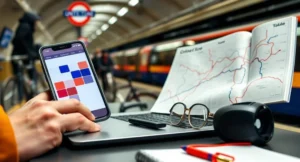
Yes, additional Tube strikes June 2026 dates have already been announced by the RMT union.
Future planned strike dates:
| Planned June Strike | Timing |
| 16–17 June 2026 | Midday to midday |
| 18–19 June 2026 | Midday to midday |
If negotiations between TfL and the RMT do not progress, further industrial action could continue throughout the summer.
The June strikes are expected to follow a similar pattern to the May walkouts, with disruption continuing beyond the official strike periods.
Passengers planning holidays, concerts, sporting events or business travel in June should continue monitoring updates from TfL and London Underground services.
At present, no agreement has been publicly confirmed between the union and transport authorities.
How Can Travellers Prepare for Tube Strikes Today, Tomorrow and This Week?
Preparation remains the most effective way to minimise disruption during Tube strikes 2026 which lines and timetable changes continue affecting London transport.
Passengers should:
- Check TfL updates before leaving home
- Allow additional journey time
- Avoid unnecessary peak-hour travel
- Consider hybrid or remote working arrangements
- Use multiple transport alternatives where possible
Travellers unfamiliar with London routes should download navigation apps before beginning their journey.
Businesses, universities and event organisers are also likely to issue their own travel guidance to staff and visitors during strike periods.
The Tube strike tomorrow and upcoming industrial action later this week are expected to create difficult travel conditions across parts of London. However, with careful planning and flexible travel arrangements, many commuters will still be able to navigate the city efficiently.
Conclusion
The London Tube strike on 19th May is expected to cause significant disruption across the Underground network, with reduced services, crowded stations and delays continuing throughout the week.
While the Elizabeth line, buses, DLR and Overground are expected to operate normally, commuters should still prepare for busy travel conditions across London.
Checking live TfL updates, planning journeys in advance and using alternative routes will be essential for passengers travelling during the May 2026 strike period and any future Tube strikes planned for June.
FAQs About London Tube Strike on 19th may
Will Tube strikes affect airport travel to Heathrow and Gatwick?
Yes, airport journeys may take longer during strike periods, especially if travellers normally rely on Underground connections. Passengers should allow extra travel time and consider National Rail or Elizabeth line alternatives where available.
Can commuters use contactless payment on alternative rail services?
Most London transport services, including buses, Overground, DLR and many National Rail routes, accept contactless and Oyster payments within London fare zones.
Are Tube strikes expected to impact evening journeys more heavily?
Evening services can become extremely busy because many passengers delay journeys until after work hours. Recovery services after strike periods may also remain limited.
Will London taxis and ride-hailing services be busier during the strike?
Yes, demand for taxis and ride-hailing apps usually rises sharply during Tube strikes, often leading to increased fares and longer waiting times.
Can passengers get refunds for delayed Tube journeys during strikes?
TfL may provide refunds under certain delay repayment schemes, although compensation policies can vary during industrial action periods.
Which TfL apps are best for checking live disruption updates?
TfL Go and Journey Planner are among the most reliable tools for checking real-time Underground, bus and rail updates across London.
Are schools, universities and offices expected to remain open during the Tube strike?
Most institutions are expected to remain open, although some organisations may encourage flexible working or remote attendance options.