

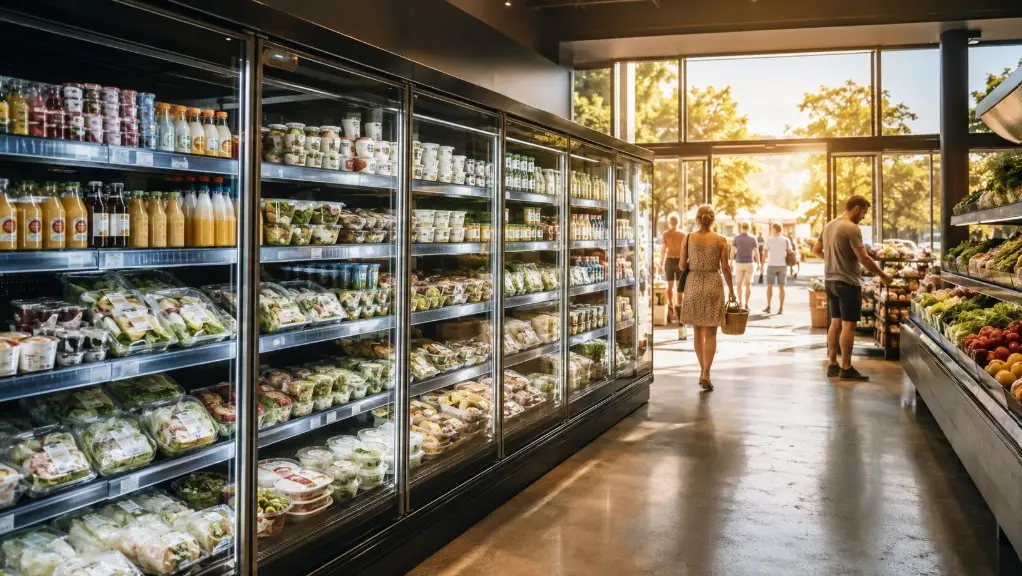
Waitrose is developing hot weather refrigeration designed to continue operating when ambient temperatures reach up to 48°C. More than 100 branches have already received redesigned fridges that retain cold air more effectively, while the retailer develops a more advanced system combining refrigeration and heat-pump technology.
The investment is intended to protect chilled-food availability, improve store reliability and use energy more efficiently during increasingly demanding summer conditions. However, the 48°C system is not yet confirmed as operating across the entire Waitrose estate.
Key Takeaways:
- More than 100 Waitrose branches have received upgraded fridges.
- The advanced technology is designed for ambient heat of up to 48°C.
- Heat pumps will work alongside refrigeration rather than simply replacing it.
- Waitrose has not disclosed the complete rollout schedule, supplier or project cost.
- The 48°C figure is an equipment target, not a UK temperature forecast.
The distinction between existing upgrades and technology still under development is essential when assessing the announcement.
What Is Waitrose Changing About Its Hot Weather Refrigeration?
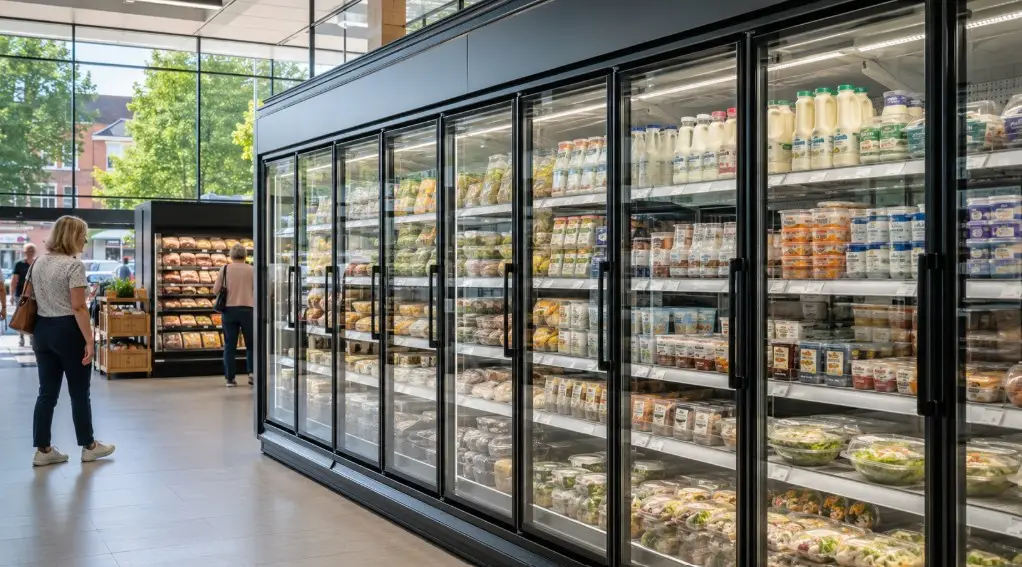
Waitrose is pursuing two related refrigeration programmes: installing improved cabinets now and developing more advanced cooling technology for future use.
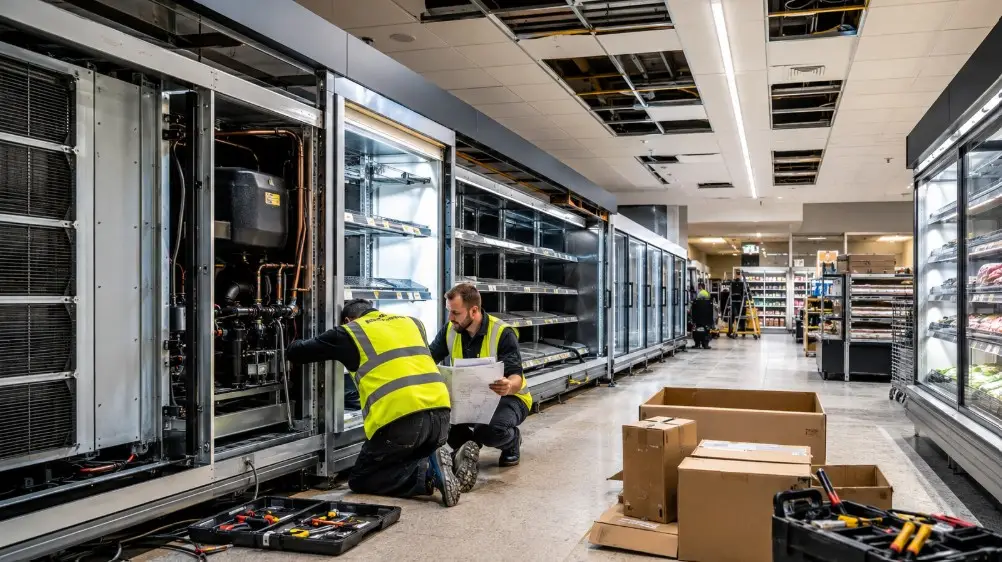
The existing cabinets have reportedly been redesigned to retain cold air more efficiently. More than 100 branches have installed new fridges intended to cope better with high ambient temperatures, although the retailer has not published a complete list of those locations.
What has been confirmed:
- Upgraded fridges are operating in more than 100 branches.
- The cabinets are designed to retain cold air more effectively.
- Advanced technology will combine refrigeration with heat pumps.
- The planned system has an ambient operating target of up to 48°C.
- A complete nationwide completion date has not been announced.
Waitrose retail director Tina Mitchell said:
“As hotter summers become more common, we’re continuing to invest in technology to keep products at peak freshness.”
She also connected the programme with store reliability and improved energy efficiency.
The statement supports the business case for investment, but it does not amount to verified performance data for the unfinished 48°C system.
How Waitrose Is Preparing Its Fridges for Hotter Weather
Waitrose is upgrading refrigeration across more than 100 branches while developing a more advanced system designed to operate in ambient temperatures of up to 48°C.
Branches Upgraded
More than 100 Waitrose branches have received redesigned refrigeration equipment.
Operating Target
The advanced system is being developed for ambient heat of up to 48°C.
Heatwave Resilience
The investment aims to improve product freshness, reliability and energy efficiency.
Heat-Pump Integration
Waitrose plans to combine heat-pump technology with conventional refrigeration.
Improved Cabinets
Redesigned refrigerated cabinets are intended to retain cold air more effectively.
Still in Development
The advanced 48°C system has not yet been confirmed across the full store estate.
Which Stores?
A complete list of upgraded or planned pilot branches has not been published.
When Will It Roll Out?
Waitrose has not confirmed a final nationwide installation timetable.
What Will It Cost?
The supplier, testing method and refrigeration-specific budget remain undisclosed.
Why Is Waitrose Targeting Refrigeration That Can Operate At 48°C?
The 48°C target gives refrigeration equipment a wider operating margin than would be required under normal British summer conditions. Equipment positioned on rooftops, in plant areas or near heat-producing machinery can face temperatures different from those recorded at a nearby weather station.
The UK recorded a provisional June high of 37.7°C at Lingwood in Norfolk on 26 June 2026, according to the official June temperature summary.
Temperatures of at least 35°C were recorded during May, June and July for the first time in the same year, while late-July reports described Britain as experiencing its fourth heatwave of 2026.
The Waitrose target should not be described as Europe’s exact temperature record. The verified continental European record is 48.8°C, measured in Sicily on 11 August 2021.
Other infrastructure operators are applying similar design margins. Eurostar reportedly raised the heat specification for up to 50 new double-decker trains from 45°C to 55°C under a package described as the “Sahara option”.
These figures show how businesses are designing long-life equipment for conditions beyond recent everyday temperatures.
How Could Waitrose’s New Refrigeration Technology Work?
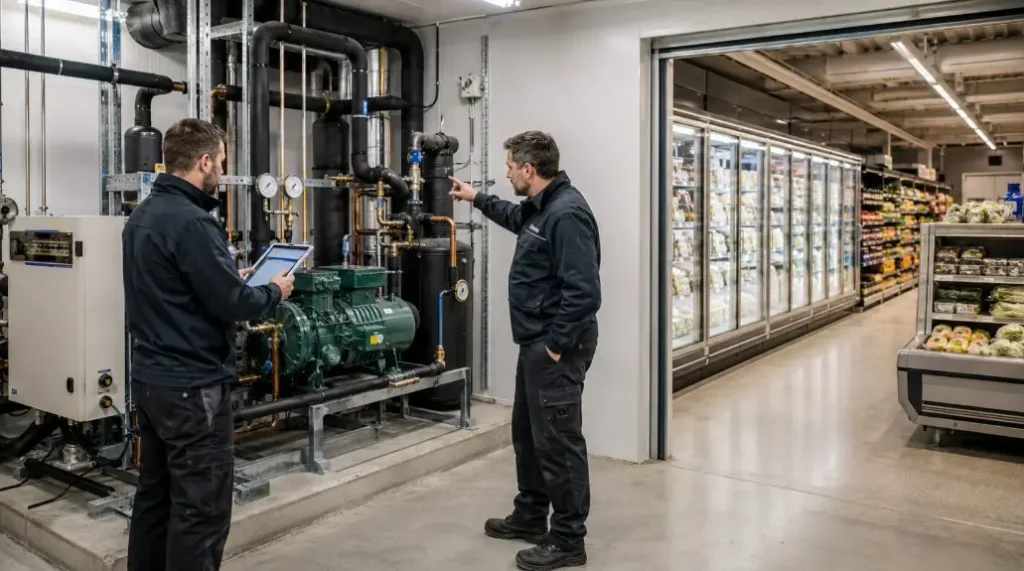
Waitrose has disclosed the broad concept rather than a complete engineering specification. Any explanation must therefore distinguish confirmed information from reasonable technical interpretation.
Heat-Pump And Refrigeration Integration
Refrigeration equipment removes heat from chilled cabinets and transfers it into the surrounding environment. A heat pump also transfers thermal energy, but it may be configured to provide heating, cooling or useful heat recovery elsewhere in a building.
Waitrose says its advanced system will combine refrigeration with heat pumps. The precise refrigerant, system layout, heat-recovery arrangement and performance standard have not been publicly identified in the reviewed material.
What Role Would Conventional Refrigeration Still Play?
The announcement does not indicate that heat pumps will replace conventional refrigeration. Chilled cabinets and freezers will still require equipment capable of extracting heat and maintaining controlled internal temperatures.
The potential advantage lies in integrating those functions more effectively. Recovered heat might support another store requirement, while improved controls, insulation and cabinet doors could reduce the cooling load, but Waitrose has not confirmed which features will form part of the final design.
Development And Installation Status
Three stages should remain separate: older equipment still operating in parts of the estate, redesigned fridges already installed in more than 100 branches, and the advanced 48°C system still being developed.
Until technical specifications and operating results are published, claims about exact energy savings or failure reductions would be premature.
Why Do Supermarket Fridges Struggle During Hot Weather?
Supermarket fridges become less effective when they must remove heat from cabinets while releasing it into air that is already extremely warm. The higher the surrounding temperature becomes, the harder compressors, condensers and fans may need to work.
Open-fronted cabinets can face an additional burden because warm store air continually enters the refrigerated area. Door openings, busy trading periods, obstructed airflow, ageing components and warm overnight conditions can add further pressure.
A problem with central refrigeration equipment may affect several cabinets rather than one isolated display. Stores may then close aisles, cover cabinets, relocate products or suspend chilled and frozen online orders while temperatures are assessed.
These disruptions do not automatically mean that food has become unsafe. Retailers may remove products as a precaution when their temperature history cannot be confirmed or the equipment cannot reliably maintain its set point.
Waitrose’s redesigned cabinets aim to retain cold air more effectively, addressing one part of this wider operational challenge. However, resilience will still depend on maintenance, monitoring, ventilation and the capacity of the complete refrigeration system.
What Could The Upgrades Mean For Food Safety And Product Availability?
Reliable refrigeration helps protect food safety, but an equipment rating of 48°C does not change the temperature at which chilled products should be stored.
For food businesses in England, Wales and Northern Ireland, the official chilled food guidance states that cold food must be kept at 8°C or below. It recommends setting fridges and chilled displays at 5°C or below to create a practical safety margin.
Operational priorities during a failure:
- Check cabinet and product temperatures.
- Move affected stock into working cold storage.
- Restrict sales when safe storage cannot be demonstrated.
- Record temperature readings and corrective action.
- Protect online orders from unavailable chilled products.
- Dispose of food when safety controls cannot be verified.
These actions protect customers while helping the retailer distinguish recoverable stock from products that should be withdrawn.
Possible customer and business effects:
| Area | Potential Effect Of Greater Reliability |
| Food safety | More consistent temperature control |
| Availability | Fewer closed cabinets and missing chilled lines |
| Online shopping | More dependable delivery and collection orders |
| Food waste | Lower risk of precautionary stock disposal |
| Store operations | Fewer emergency transfers and repairs |
The upgrades could improve each outcome, but measured benefits will depend on maintenance quality and real-world performance during future heatwaves.
How Does Waitrose Compare With Other UK Supermarket Refrigeration Plans?
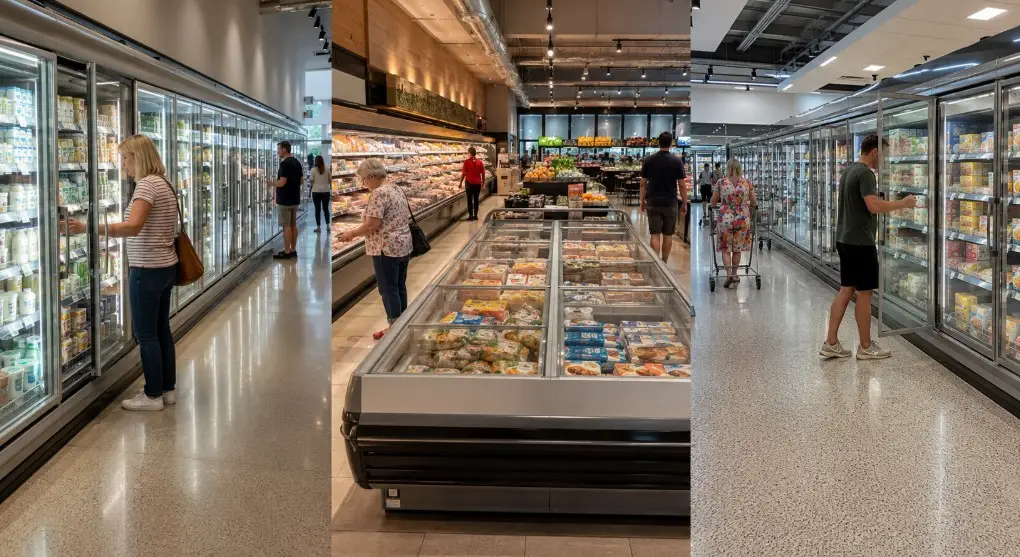
Waitrose is not acting alone. High temperatures have exposed refrigeration weaknesses across several British food retailers, although their technologies and reported operating targets are not identical.
M&S Equipment Designed For Hotter Conditions
M&S has announced investment in equipment intended to operate in temperatures of up to 45°C after its stores struggled during nine days of extreme June heat. Its response reportedly includes cabinets with doors to retain cold air more effectively.
What Refrigeration Changes Has Sainsbury’s Announced?
Sainsbury’s has said it is investing hundreds of millions of pounds in refrigeration, with approximately 100 stores expected to receive upgraded equipment. Reports also described staff and suppliers working around the clock to keep systems operating during high temperatures.
Waitrose’s 48°C Target In Context
Retail Refrigeration Comparison:
| Retailer | Reported Action | Temperature Figure | Reported Status |
| Waitrose | Redesigned cabinets and integrated heat-pump technology | Up to 48°C | More than 100 branches upgraded; advanced system in development |
| M&S | Heat-resistant equipment and more cabinets with doors | Up to 45°C | Investment and installation announced |
| Sainsbury’s | Wider refrigeration modernisation | No comparable rating disclosed | About 100 stores expected to receive upgrades |
The figures cannot be treated as a simple ranking because testing methods, cabinet types and store conditions may differ.
Greggs chief executive Roisin Currie has also said the refrigeration industry is developing equipment for temperatures well above 34°C and that future upgrades would need consideration.
Some branches had closed during the June red extreme-heat warning, although refrigeration breakdowns were not described as a major company-wide factor.
How Does Hot Weather Refrigeration Fit Waitrose’s Wider Investment Strategy?
The refrigeration work forms part of a broader programme to modernise Waitrose shops and strengthen its physical and online operations.
The retailer’s official Waitrose investment update describes a multi-year £1 billion plan, including 28 store refurbishments during 2026, new locations and additional distribution capacity. The announcement does not identify how much of that money has been allocated specifically to refrigeration.
More resilient cooling could support the programme by reducing emergency cabinet closures, stock transfers, maintenance disruption and unavailable online products. Improved efficiency could also lower the energy required to maintain temperatures, although no verified savings figure has been released for the advanced system.
The commercial case therefore extends beyond coping with a single heatwave. Refrigeration affects food availability, waste, energy use, customer confidence and the reliability of store operations.
What Important Details About The Waitrose Rollout Remain Unanswered?
The announcement establishes Waitrose’s direction, but several details are needed before the programme’s scale and performance can be assessed fully.
Which Stores Will Receive The System First?
Waitrose has not published a complete list of the branches containing redesigned equipment or identified the first stores that will test the advanced system.
Refurbished branches, older shops or stores in warmer locations might appear to be logical priorities, but no confirmed prioritisation policy has been disclosed.
Timetable, Supplier And Programme Cost
The reviewed reports do not name the equipment manufacturer, development partner or installation contractor. They also provide no separate budget, pilot completion date or nationwide rollout deadline.
It remains unclear whether the advanced technology will be retrofitted into existing stores, installed mainly during refurbishments or introduced through several different store formats.
How Will Performance Be Measured?
Useful evidence would include energy consumption, cabinet temperature stability, maintenance calls, stock losses and system availability during extreme heat.
Comparisons should use similar stores and weather conditions. Without a published baseline, percentage improvement claims would be difficult to evaluate independently.
What Happens Next For Waitrose Hot Weather Refrigeration?
The next stage should reveal whether the 48°C system moves from development into measurable store trials. Installation numbers alone will not show whether it delivers the promised resilience and efficiency.
Developments to watch:
- Confirmation of pilot branches and installation dates.
- Publication of technical testing standards.
- Identification of technology and equipment partners.
- Performance during subsequent UK heatwaves.
- Energy use before and after installation.
- Changes in breakdowns, stock losses and product availability.
- A timetable for expansion beyond the initial estate.
Future evidence will matter because extreme-weather preparation is becoming a business-continuity issue across food retail, transport and other infrastructure sectors.
Waitrose’s project could become an important model if it demonstrates reliable operation without excessive energy consumption. Until those results appear, the strongest conclusion is that the retailer is investing ahead of anticipated operating pressure rather than reporting a completed nationwide solution.
Conclusion
Waitrose hot weather refrigeration plans combine immediate cabinet upgrades with longer-term technology designed for ambient temperatures of up to 48°C. More than 100 branches already have improved fridges, but the advanced heat-pump-assisted system remains under development.
The programme addresses food safety, product availability, waste, energy efficiency and store reliability during hotter summers. Its ultimate value will depend on transparent testing, confirmed rollout numbers and evidence of performance during sustained extreme heat.
FAQs About Waitrose Hot Weather Refrigeration
What Does “Mediterranean-Style Refrigeration” Mean?
It is an informal description for refrigeration designed to operate in hotter surrounding temperatures. It is not a technical standard that Waitrose has publicly defined.
Are All Waitrose Stores Receiving 48°C Fridges?
No complete nationwide rollout has been announced. More than 100 branches have upgraded cabinets, while the advanced 48°C technology remains under development.
Does 48°C Refer To The Food Temperature?
No, it refers to the reported ambient conditions surrounding the refrigeration equipment. Chilled food must remain at much lower controlled temperatures.
Could The New Fridges Reduce Food Waste?
More reliable cooling could reduce precautionary stock disposal after equipment problems. Waitrose has not yet published measured waste reductions from the advanced system.
Can Heat Pumps Recover Waste Heat?
Some integrated systems can reuse heat removed during refrigeration for other building needs. Waitrose has not disclosed whether or how its final system will use heat recovery.
Can Fridge Failures Affect Online Grocery Orders?
Yes, chilled and frozen products may become unavailable for delivery or collection when safe storage cannot be confirmed. More resilient equipment could reduce that risk but cannot guarantee uninterrupted service.
When Will Technical Performance Results Be Available?
Waitrose has not announced a publication date for testing or operating data. Results may emerge after pilot installations or operation during later periods of extreme heat.
Note:
The 48°C figure is a reported ambient operating target, not a forecast for Britain or the temperature inside a fridge. Upgraded cabinets already installed in more than 100 branches must not be confused with the advanced heat-pump-assisted technology that remains under development.